Dowell
Dowell Research Group
Join the lab
Research opportunities in chemical ecology, plant physiology, metabolomics, and fungal evolutionary ecology at Louisiana State University.

Our lab studies how chemical diversity evolves and how it shapes interactions among plants, fungi, and their environments. We connect questions about plant growth and defense, chemical communication, and fungal host specialization using approaches from ecology, evolution, biochemistry, and genetics.
Depending on the project, research may involve collecting plant material in the field, growing plants or culturing fungi, measuring physiological traits, running experiments on plant–pathogen interactions, or characterizing chemical profiles with chromatography and mass spectrometry. Other projects focus on analyzing metabolomic and genomic data, mapping genetic variation to traits, or comparing species in an evolutionary framework. Many questions bring several of these approaches together.
Students interested in plants, fungi, chemistry, or quantitative biology are encouraged to contact Dr. Jordan Dowell about potential opportunities. Tell us what questions excite you, what you would like to learn, and how your interests connect with our research themes.
Graduate students
We welcome inquiries from prospective M.S. and Ph.D. students interested in chemical ecology, comparative biochemistry, plant physiology, and evolutionary ecology. We are especially interested in students who want to develop independent questions about how specialized metabolites influence plant function and interactions with other organisms.
Potential directions include understanding how plants balance growth and chemical defense, identifying the genetic basis of fungal responses to plant metabolites, and investigating why some fungal pathogens specialize on a few hosts while others infect many. Students interested in developing analytical methods or integrating chemical, physiological, and genomic data can also find strong connections with the lab’s work.
Graduate study is available through LSU’s Biochemistry and Biological Sciences programs. Before applying, please contact Jordan to discuss your research interests, potential projects, program fit, and current opportunities. Include a CV or résumé, a brief description of your research interests, and relevant coursework or research experience. Please ask about available positions and funding when you get in touch.
Reading together
Building a shared foundation in the literature is an important part of graduate training in our group. Our graduate reading collection brings together more than 100 papers on topics central to the lab’s research. We encourage every graduate student in the lab to work through the collection over the course of their degree, using it to develop research questions, connect ideas across fields, and contribute to discussions with labmates.
Undergraduate students
Undergraduates interested in learning how research works are encouraged to reach out. Depending on current projects, work may include plant care, fungal culture, sample preparation, chemical analyses, physiological measurements, or data analysis. You do not need to arrive with experience in every method; curiosity, care, and a willingness to learn are valuable starting points.
When contacting Jordan, include your major and year of study, a résumé, relevant science or quantitative courses, and a short description of your interests. Please also describe your availability during the semester and how much time you hope to commit to research.
Postdoctoral researchers
Researchers whose interests connect with the lab’s work are welcome to contact Jordan to discuss potential projects and funding possibilities. We are interested in conversations that bring new perspectives to plant chemical diversity, growth–defense relationships, and the ecology and evolution of plant–fungal interactions.
Please include your CV, links to representative publications or preprints, and a brief outline of the questions you would like to pursue. Describe how your experience and proposed work would connect with or extend the group’s research.
Life in the lab
Good science.
Good company.
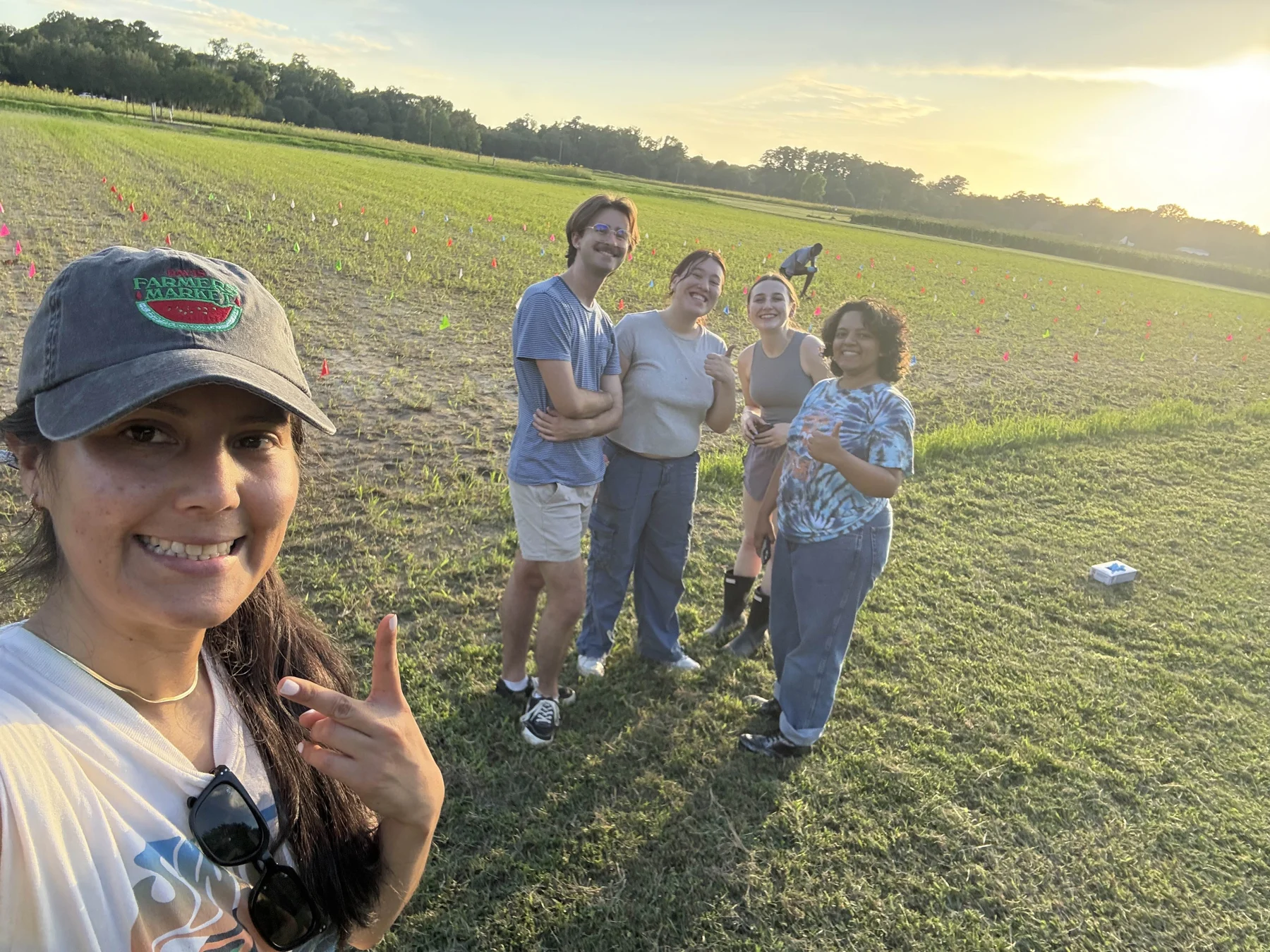
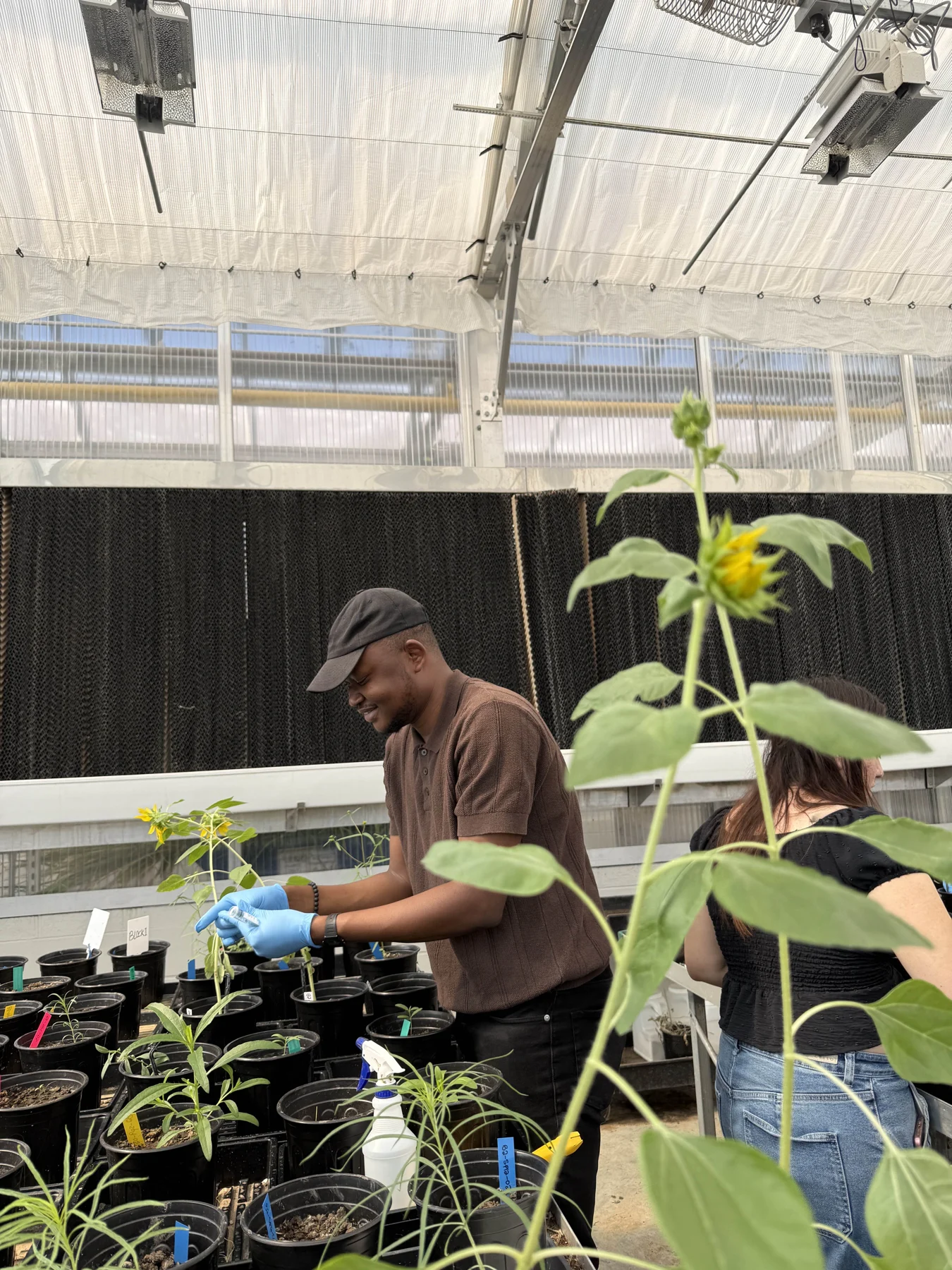
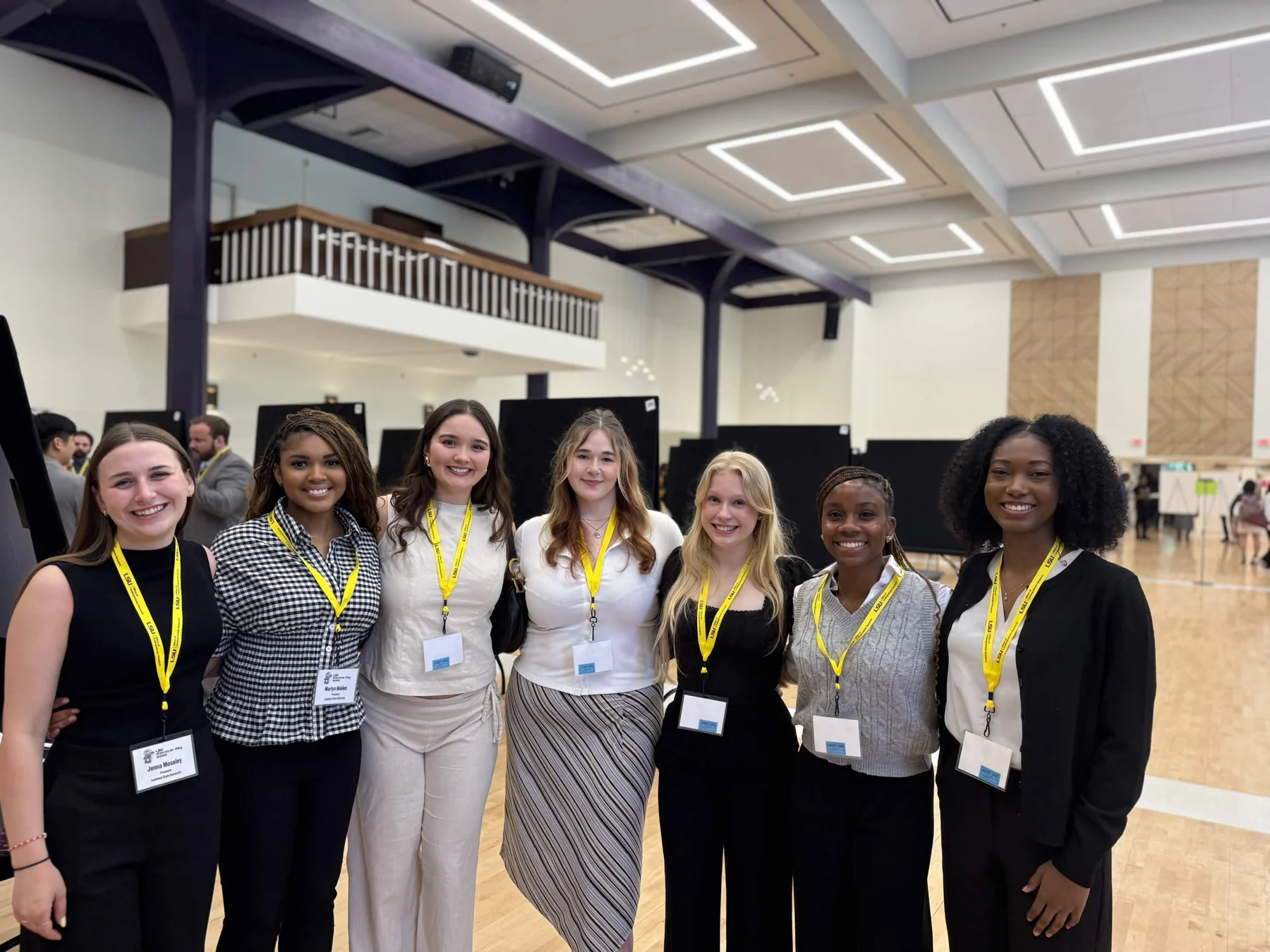
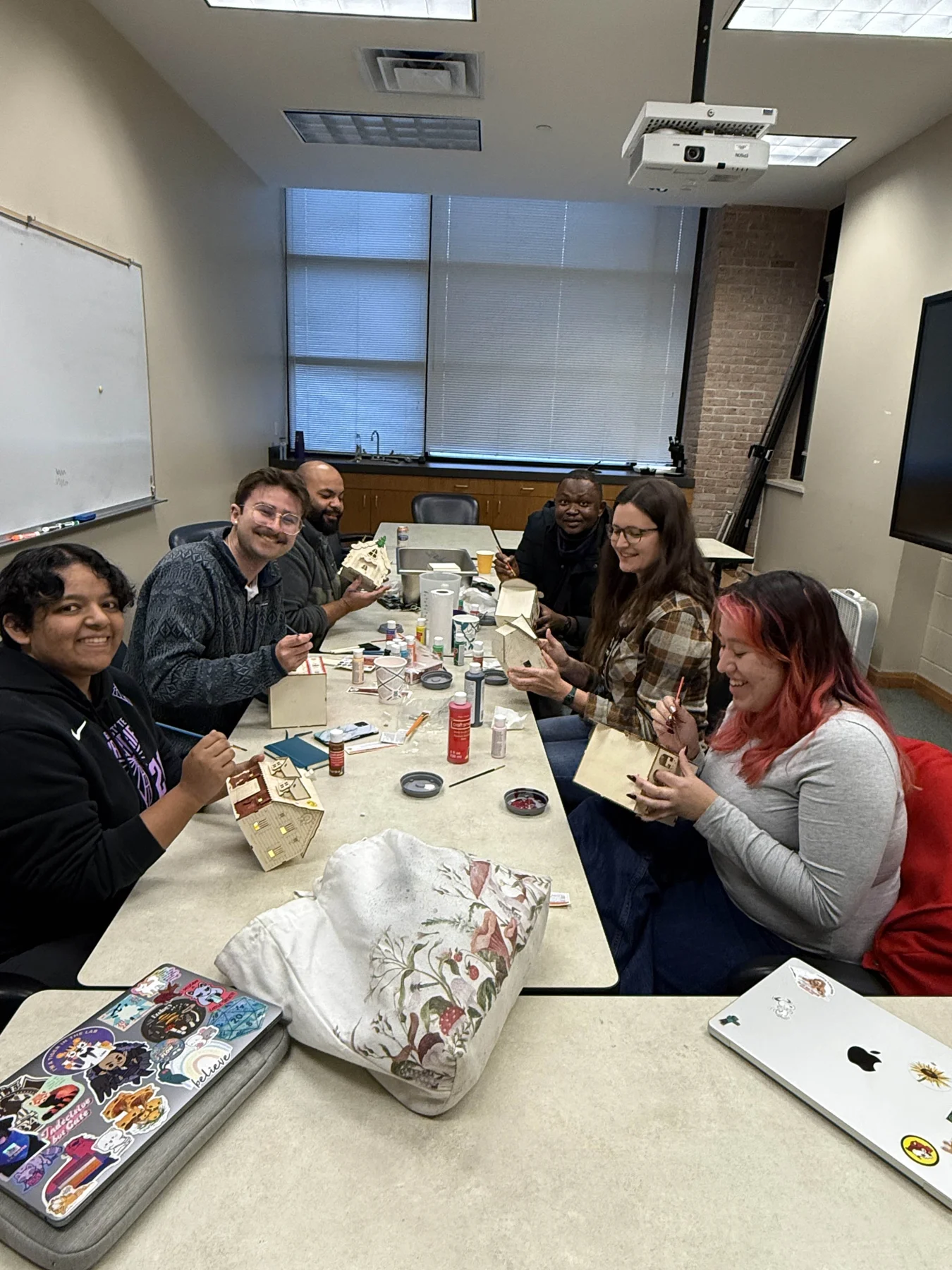
Field days, greenhouse experiments, poster sessions, and a little time to celebrate. A glimpse of the people and everyday moments behind our research.
Explore our photo album →